Can AI Generate Realistic Images? A Comprehensive Guide 2026
Imagine a world where the question "can ai generate realistic images" is not just speculation, but a daily reality. Today, artificial intelligence is transforming how we perceive and create visual content.
This article investigates whether AI in 2026 can truly generate realistic images that rival those captured by cameras. We will demystify the technology, examine its capabilities, and discuss its current limitations.
You will discover how these systems work, where they are applied in industries from advertising to science, and what ethical concerns they raise. By the end, you will have a comprehensive guide to the state of AI-generated realistic images and what the future may hold.
The Evolution of AI Image Generation Technology
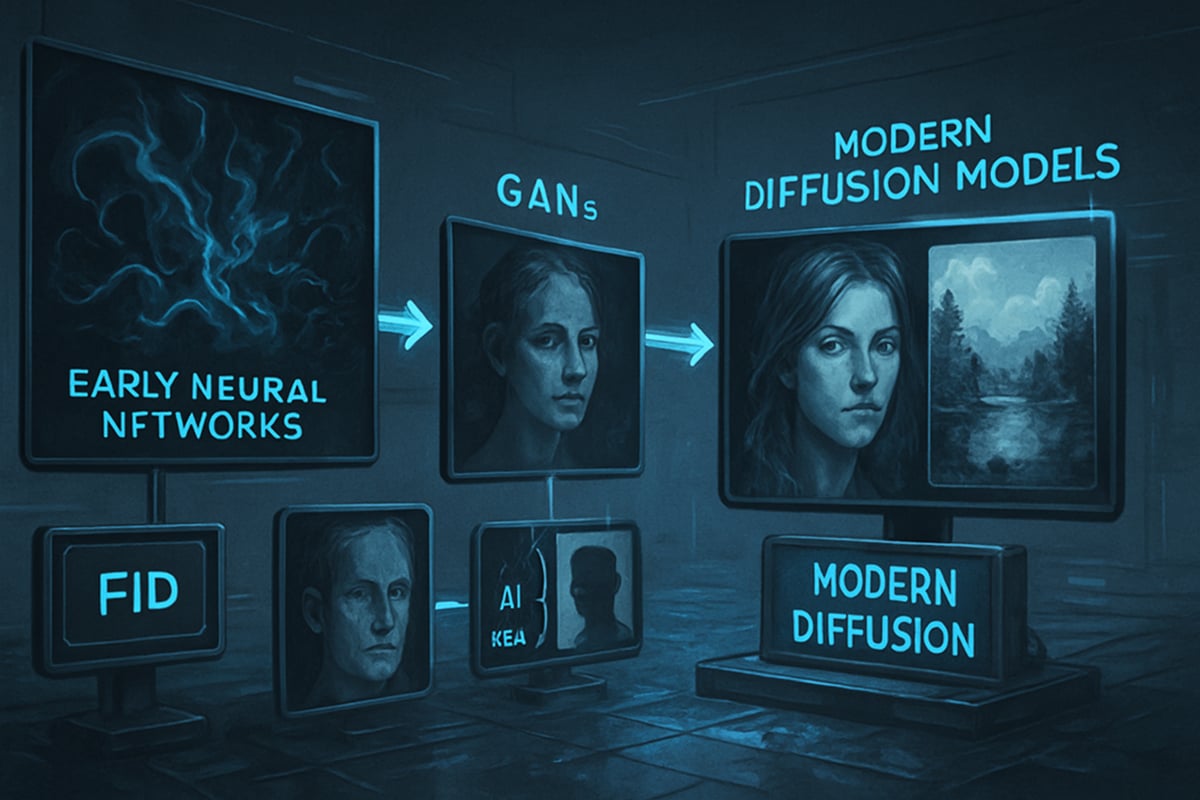
The first wave of AI image generation began with basic neural networks like Variational Autoencoders (VAEs) and Generative Adversarial Networks (GANs). These early models produced images that were often blurry, abstract, or surreal. Notable milestones included Google's DeepDream in 2015, which generated psychedelic visuals, and the introduction of GANs, which set the groundwork for more realistic outputs.
As research advanced, models such as StyleGAN and BigGAN emerged. StyleGAN, in particular, marked a turning point with its ability to create faces that closely resembled real photographs. This progression answered the question, can ai generate realistic images, by steadily improving quality year after year.
To illustrate the rapid evolution, consider this simplified timeline:
Year | Breakthrough | Output Quality |
|---|---|---|
2014 | GANs | Blurry, low-res |
2015 | DeepDream | Abstract, surreal |
2018 | BigGAN | Higher resolution |
2019 | StyleGAN2 | Near-photorealistic |
2025 | Modern Models | Indistinguishable |
With the introduction of StyleGAN2, FID (Fréchet Inception Distance) scores dropped significantly, signaling a leap in realism. By comparing early outputs to 2026 images, the difference is clear: today's AI can create visuals that are almost impossible to distinguish from real photos.
How Modern AI Models Work in 2026
By 2026, the answer to can ai generate realistic images depends on the sophistication of contemporary models. Leading platforms like Stable Diffusion, DALL·E 3, and proprietary systems leverage massive datasets covering diverse subjects and styles. The sheer scale and variety of training data allow these models to render everything from intricate textures to nuanced lighting with remarkable fidelity.
Technical advancements have enabled higher resolution and finer detail, pushing images beyond 4K quality. Modern architectures adopt transformers and diffusion models, which excel at context understanding and image coherence. These systems can interpret complex prompts, sketches, or even blend text with photos to produce highly realistic results.
An important development is the use of multimodal inputs. Users can now provide a description, a rough sketch, or a reference photo, and the AI integrates these cues to generate images tailored to specific needs. For a deeper dive into the latest breakthroughs, see this Advancements in AI Image Generation Techniques article, which details recent leaps in model architecture and application.
As these systems evolve, the gap between synthetic and real imagery continues to close, making it increasingly challenging to discern AI creations from genuine photographs.
Defining “Realism” in the Context of AI Images
The term “realism” means different things depending on context. For AI, realism can refer to photorealism, hyperrealism, or artistic realism. Photorealism is the gold standard, where images are virtually indistinguishable from actual photographs. Hyperrealism may exaggerate textures or features, while artistic realism strives for believability without mimicking reality pixel-for-pixel.
When asking can ai generate realistic images, it is essential to define the criteria. Experts evaluate texture accuracy, natural lighting, composition, and how well the image fits its supposed context. For example, a convincing AI portrait must get skin tones, hair textures, and facial expressions just right.
However, even as AI approaches new heights, the uncanny valley remains a challenge. Subtle artifacts or inconsistencies can break the illusion, making viewers question authenticity. As we continue to ask, can ai generate realistic images that truly fool the human eye, these criteria provide our benchmark for success.
Key Metrics for Realism in AI-Generated Images
How do experts determine if AI outputs are truly realistic? Metrics like FID and Inception Score (IS) are widely used to quantify image quality. FID compares AI-generated images to real ones, with lower scores indicating greater similarity. IS evaluates how recognizable and diverse the generated images are, offering another perspective on realism.
In addition to these objective scores, human Turing tests are common. Participants are shown pairs of images and asked to identify which is real. According to a 2024 survey, 63 percent of users could not reliably distinguish AI-generated visuals from photographs, demonstrating how far the technology has come in answering can ai generate realistic images.
Industry benchmarks such as ImageNet and COCO provide standardized datasets for testing new models. These benchmarks, along with custom datasets, help researchers track progress and spot areas for improvement.
Together, these metrics and tests offer a comprehensive view of how close AI has come to achieving true photorealism, setting the foundation for future advancements.
Can AI Generate Truly Realistic Images?
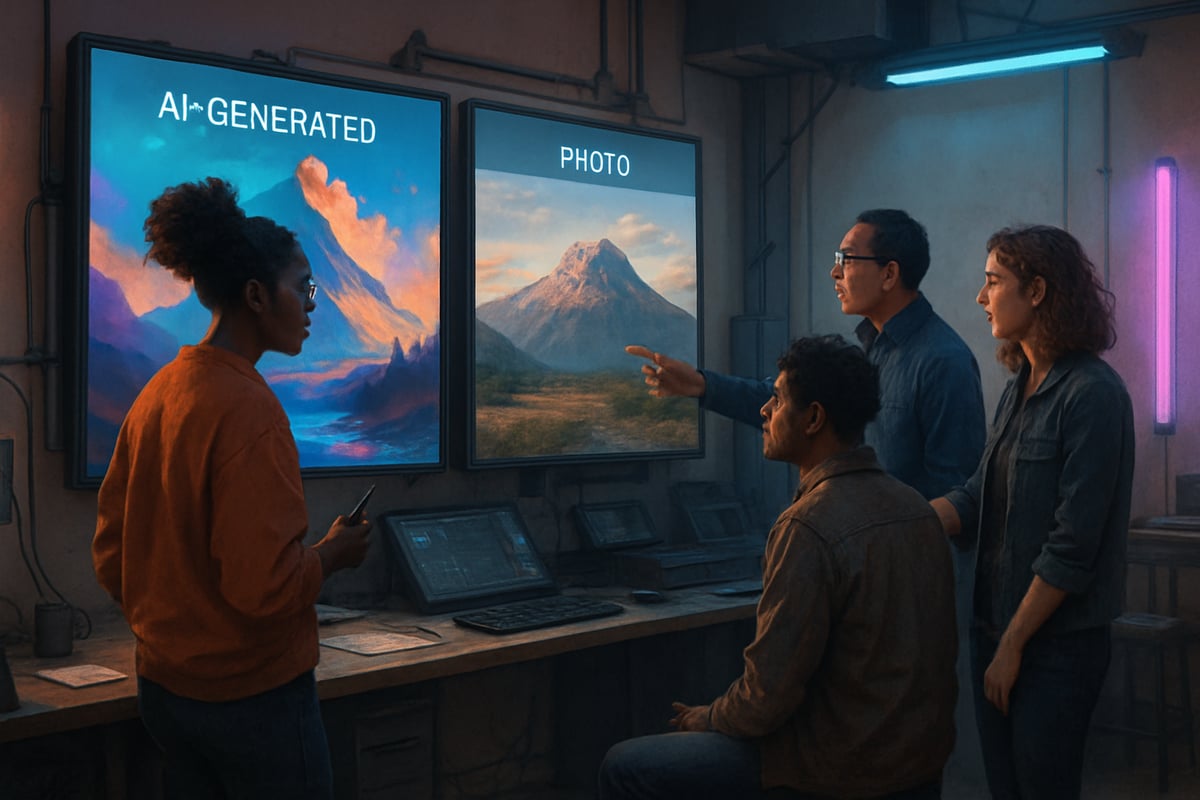
Yes AI can generate highly realistic images, and in many cases they are indistinguishable from real photographs. However, whether they are “truly realistic” depends on context, use case, and scrutiny level.
Advances in deep learning—particularly diffusion models trained on massive, high-quality datasets—enable AI systems to accurately replicate lighting, texture, depth, and photographic imperfections that the human eye associates with real-world imagery. While these images are not captured by a physical camera and therefore are not “real” in a literal sense, they often achieve a level of visual fidelity sufficient for professional use in marketing, design, entertainment, and digital media. The distinction between real and AI-generated images is increasingly defined not by visual quality, but by origin, intent, and ethical transparency, as AI continues to narrow the perceptual gap between synthetic and photographic reality.
Real-World Examples and Comparisons
In practice, can ai generate realistic images that stand up to real photography? Side-by-side comparisons reveal how close AI has come. For instance, AI-generated celebrity portraits and product shots often match or even surpass natural images in clarity and appeal.
Feature | AI-Generated (2025) | Camera-Captured |
|---|---|---|
Resolution | Up to 8K | 4K–8K |
Texture Accuracy | Highly detailed | Natural, varied |
Lighting | Adaptive, realistic | Dependent on setup |
Contextual Consistency | High, improving | Naturally consistent |
Blind user studies highlight that in 2025, 63% of participants could not reliably tell AI images from photographs. The question, can ai generate realistic images, is increasingly answered in the affirmative, especially in fields like advertising where 36% of digital ads now use AI-generated visuals.
Common Limitations and Failure Cases
Despite remarkable progress, can ai generate realistic images without flaws? Not always. AI still struggles with contextual mistakes, such as generating extra fingers or distorted objects in complex scenes. Biases from training data can influence image outcomes, sometimes leading to unrealistic or culturally insensitive results.
Challenges also arise in representing abstract or nuanced cultural elements, and the uncanny valley persists in some portraits. Ongoing research aims to address these issues, but for now, perfection remains elusive. As we continue to explore, can ai generate realistic images that are indistinguishable from reality, these limitations remind us of the boundaries yet to be crossed.
Practical Applications of AI-Generated Realistic Images
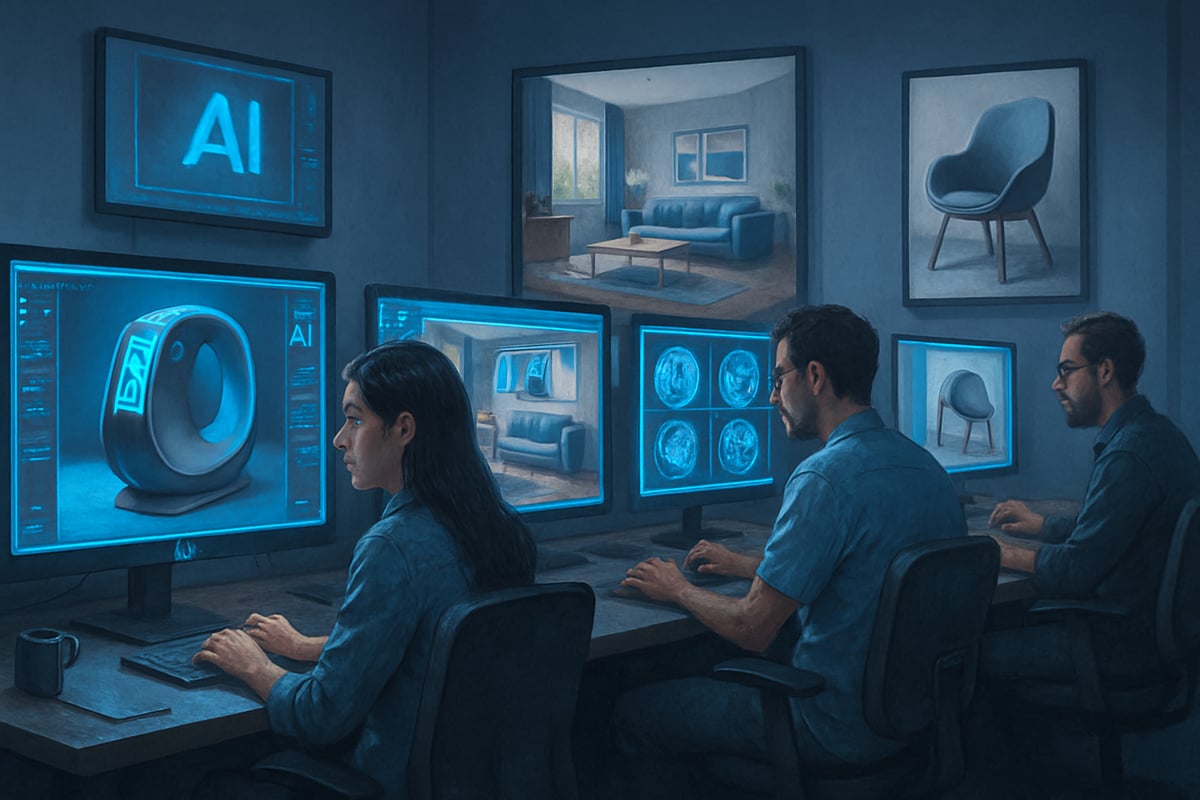
AI-generated realistic images are transforming countless industries, making the question "can ai generate realistic images" more relevant than ever. From creative professionals to everyday consumers, the technology is reshaping how visuals are conceptualized, produced, and shared.
Creative Industries and Content Creation
The creative world has experienced a paradigm shift thanks to advancements in AI. Today, can ai generate realistic images for graphic design, advertising, and marketing campaigns with unprecedented speed and detail. Designers use AI to brainstorm concepts and produce photorealistic visuals for social media, brand identities, and viral campaigns.
In film, gaming, and animation, AI-generated images support concept art, storyboarding, and special effects. This speeds up production timelines and allows artists to experiment with new visual styles, expanding the boundaries of storytelling.
Business and Commercial Use
Businesses now rely on AI-generated realistic images to enhance product visualization and streamline marketing efforts. Retailers use AI to create lifelike product photos for e-commerce, making online shopping more immersive. Real estate professionals deploy AI for virtual staging, offering buyers a realistic sense of space before visiting a property.
Personalized branding has also become more accessible. Companies turn to AI Logo Creation Tools to produce unique, photorealistic logos and packaging designs that resonate with their target audience. As a result, can ai generate realistic images is not just a question, but a competitive advantage for many enterprises.
Scientific and Educational Applications
Researchers and educators harness the power of AI to visualize complex data and improve learning outcomes. In medicine, can ai generate realistic images for simulations, diagnostics, and medical training. AI-generated visuals help illustrate scientific concepts, making them easier to understand for students and professionals alike.
Interactive learning tools, such as virtual dissections or animated processes, further demonstrate how AI is revolutionizing educational content delivery. This technology bridges gaps in understanding and provides immersive experiences for learners worldwide.
Everyday Consumer Use Cases
The impact of AI-generated realistic images extends to daily life. Consumers leverage AI to design personalized avatars, profile pictures, and digital art. Small business owners use AI for DIY marketing materials, elevating their brand presence without the need for expensive design agencies.
Tattoo enthusiasts and interior designers benefit from AI previews, allowing them to visualize tattoos or room makeovers before making permanent decisions. The answer to can ai generate realistic images is clear in these accessible, user-friendly tools that put creativity into everyone's hands.
Statistical Insights
The adoption of AI-generated realistic images is accelerating. In 2025, creative industries powered by AI are projected to reach $2.4 billion in market value. Adoption rates are soaring, with 78% of designers and marketers integrating AI tools into their workflows.
Metric | Value (2025) |
|---|---|
Creative Industry Market Size | $2.4 Billion |
Adoption Rate (Designers) | 78% |
Use in Digital Ads | 36% |
These figures underscore that can ai generate realistic images is not just a technical question, but a driver of economic growth and creative innovation across sectors.
The Future of AI-Generated Realistic Images
The future of image creation is being rewritten by the rapid evolution of artificial intelligence. As we look ahead to 2026 and beyond, the answer to "can ai generate realistic images" is not just yes, but with capabilities that continue to surprise even industry leaders. Let us explore what lies ahead for this transformative technology.
Predicted Technological Advancements
AI image generation is poised for remarkable progress. Next-generation models will push realism further, offering higher fidelity, richer context awareness, and interactive image manipulation. Integration with AR and VR will enable users to immerse themselves in lifelike environments, blurring the line between digital and physical.
Moreover, multimodal AI systems will seamlessly blend text, images, audio, and video, enabling creators to communicate ideas with unprecedented clarity. For those wondering, can ai generate realistic images that adapt in real time to user input, the answer is increasingly affirmative. According to The Future of AI Image Generation: 2025 Trends, these advancements will redefine creative workflows across industries.
AI's ability to interpret complex prompts and generate photorealistic results will only accelerate as models become more sophisticated. Enhanced context understanding and fine-grained control over image attributes are expected, making AI a true partner in visual storytelling.
Expanding Creative Potential
The democratization of design is a defining trend. As sophisticated tools become accessible to non-experts, more people can participate in creative processes. Can ai generate realistic images for anyone, regardless of artistic background? In 2026, the answer is yes.
AI-driven platforms empower users to experiment with styles, genres, and visual storytelling, spawning new forms of art that were previously unimaginable. Collaboration between human artists and AI systems is fostering hybrid methods where intuition and computation meet.
Emerging genres and visual styles are being born from this synergy. Artists can iterate rapidly, test ideas, and break creative boundaries, all while relying on AI to handle technical details. This shift is making creativity more inclusive and expansive.
Societal and Economic Impact
The rise of AI-generated realistic images is reshaping creative industries. Traditional roles are evolving as AI automates routine tasks, freeing professionals to focus on higher-level strategy and innovation. Can ai generate realistic images that drive new business models? Absolutely, as companies leverage AI for faster content creation, personalization, and global collaboration.
New opportunities are emerging for entrepreneurs and freelancers, while established businesses adapt to AI-powered workflows. The ability to generate tailored visuals on demand is transforming marketing, entertainment, and e-commerce.
Global creative collaboration is becoming easier, as AI bridges language and cultural barriers. This fosters a more interconnected creative economy, where ideas and visuals flow freely across borders.
Ongoing Challenges and Open Questions
Despite the promise, significant challenges remain. Transparency in AI image creation is crucial to building trust. Ensuring accountability for generated content, especially in sensitive or commercial contexts, is a persistent concern.
Ethical safeguards must keep pace with innovation. As AI systems become more autonomous, questions around bias, copyright, and representation demand careful attention. Can ai generate realistic images that respect human values and cultural nuances? The industry is still working toward that ideal.
Balancing human creativity with AI's capabilities is another open question. The evolving relationship between artist and algorithm will shape the next era of visual communication.
Data and Forecasts
Industry forecasts highlight the growing impact of AI-generated images. According to Gartner, by the end of 2026, 60% of marketing visuals are expected to be AI-generated. This surge in adoption reflects growing consumer trust and technological maturity.
A recent survey found that a majority of professionals now rely on AI for daily visual content needs. These trends are detailed in AI Image Generation in 2025: Key Trends, Use Cases & Future Outlook, which outlines anticipated breakthroughs and research directions.
Metric | 2023 | 2025 (Projected) |
|---|---|---|
AI-generated marketing images | 35% | 60% |
Adoption by designers | 55% | 78% |
Market value (USD) | $1.5B | $2.4B |
As research continues, the answer to "can ai generate realistic images" will only become more robust, with new frontiers yet to be explored.