How to Cite AI Generated Images in 2026
AI-generated images are rapidly reshaping creative industries, academic presentations, and business communications. Yet, knowing how to cite ai generated images correctly is a new challenge many face in 2026. As these visuals become more common, ethical and legal standards are evolving quickly. This guide offers a clear, step-by-step approach to help you cite AI-generated images with confidence. You will learn what these images are, why proper citation matters, the latest citation standards, practical formats for various contexts, and common mistakes to avoid. Master the essentials and ensure your work remains transparent, ethical, and credible.
Understanding AI-Generated Images
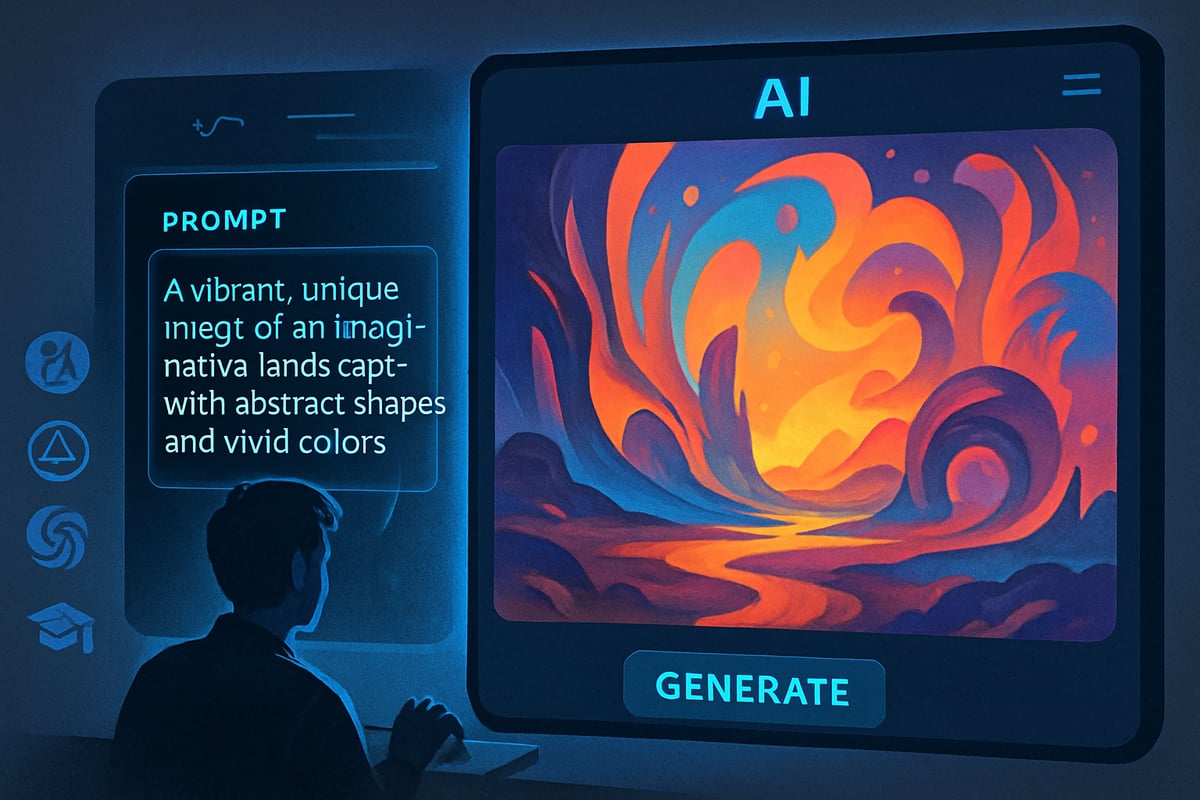
AI-generated images are visual assets created through algorithms and machine learning models, rather than traditional photography or manual digital art. Unlike photos, which capture real-world scenes, or digital art, which is hand-crafted by artists, these images are produced when a user enters a text prompt into an AI system. The AI interprets the prompt and generates a unique visual output.
Popular examples of AI art generators include:
DALL-E
Midjourney
Stable Diffusion
Firefly
The creation process begins with a prompt, such as "an ancient city at sunset," which the AI translates into a visual composition. The user’s input shapes the image, but the AI’s algorithms determine the final result. This raises questions about authorship: is the creator the person who wrote the prompt, or the AI itself? In most cases, the user is seen as the commissioner, while the AI acts as the creative tool.
It is also important to distinguish between AI-created and AI-edited images. AI-created images are entirely generated by the system, while AI-edited images use AI to modify or enhance existing visuals. To understand the technical process and capabilities, you can explore an AI image generator platform, which demonstrates how prompts become images. As professionals learn how to cite ai generated images, recognizing these differences is a critical first step.
Why Proper Citation of AI-Generated Images Matters
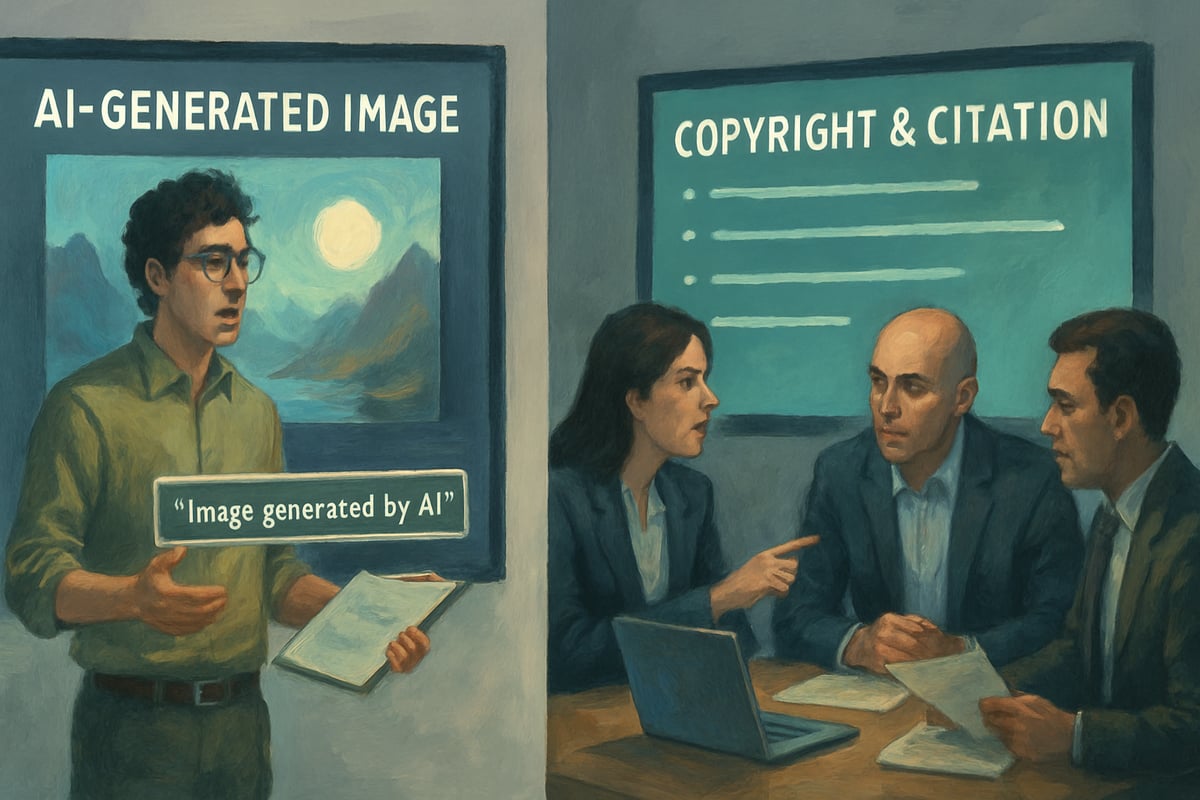
Proper citation of AI-generated images matters because it ensures transparency, ethics, and trust. It clarifies that the image was created by AI rather than a human, helping audiences correctly interpret authorship and originality. Citation also supports academic and professional integrity, avoids misleading attribution, and respects platform or licensing requirements. As AI content becomes more common, clear citation helps maintain credibility and accountability in visual communication.
Ethical Transparency
Citing AI-generated images is about more than following rules. It shows respect for the creative process and ensures audiences understand the source of your visuals. When you learn how to cite ai generated images, you provide transparency similar to citing software, datasets, or code.
This transparency builds trust and credibility. Audiences and peers can see that you value accuracy and integrity. In research and business, openly acknowledging your use of AI tools sets a positive example for responsible innovation.
Legal Compliance
Legal requirements around AI-generated images are evolving. When you know how to cite ai generated images, you help avoid copyright disputes and licensing violations. Many AI image generators have specific terms of use, such as Creative Commons or commercial restrictions.
Institutions and publishers often require clear attribution. For a detailed overview of these requirements and best practices, see RMIT University's AI image referencing guide. Following these standards protects you from legal consequences and supports fair use of technology.
Academic and Professional Standards
Academic journals, conferences, and universities are updating their policies to address AI-generated content. Not knowing how to cite ai generated images can lead to accusations of plagiarism or academic dishonesty.
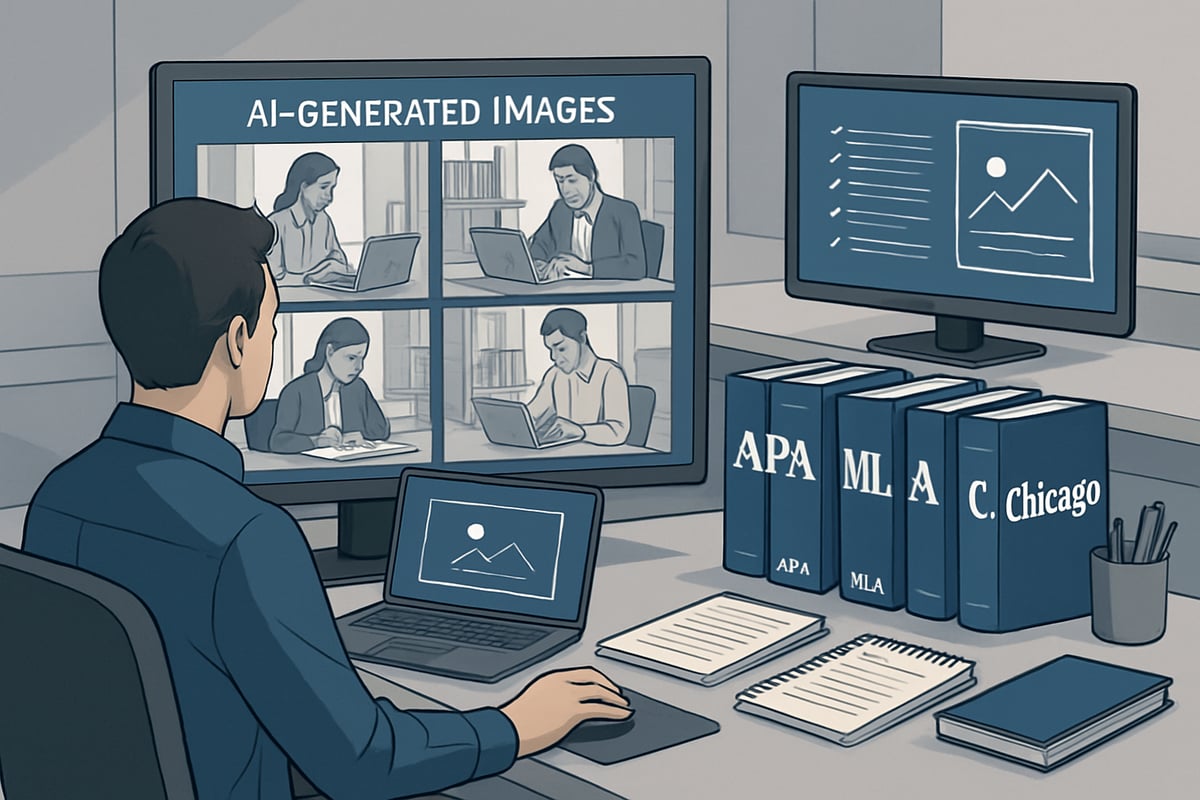
Citation styles like APA, MLA, and Chicago now provide guidance for referencing AI images. Proper citation aligns your work with these updated standards and ensures acceptance in academic and professional circles. It also demonstrates your commitment to evolving best practices.
Societal Impact and Real-World Examples
The way we cite AI-generated images shapes public perception of AI’s role in creativity. By learning how to cite ai generated images, you encourage responsible use, support tool developers, and inspire ethical innovation.
Consider the consequences of poor attribution: Academic papers have been retracted for missing AI image credits, and corporate presentations have faced scrutiny for uncredited visuals. These real-world examples highlight why proper citation is not optional—it is crucial for your reputation and the advancement of your field.
Evolving Citation Standards for AI-Generated Images
AI-generated images are rapidly reshaping visual communication, making it essential to understand how to cite ai generated images accurately. As standards evolve, staying informed about best practices ensures your work remains ethical, transparent, and compliant.
Citation Principles and Best Practices
To master how to cite ai generated images, begin by identifying the essential citation elements. Always acknowledge the AI tool or platform used, such as DALL-E, Midjourney, or Stable Diffusion. If relevant, include the text prompt that generated the image.
It is also important to mention the developer or organization behind the AI, specify the model or version, and provide the date of creation or access. Including a URL or persistent identifier enhances reproducibility. These components set a strong foundation for transparency and credibility.
Here’s a quick checklist:
AI tool/platform (e.g., Stable Diffusion)
Developer or organization (e.g., Stability AI)
Version/model (e.g., v2.1)
Prompt (if applicable)
Date of creation/access
URL or unique identifier
Following these principles supports responsible research and publication.
Major Citation Styles and AI Image Guidelines
Citation styles are adapting to address how to cite ai generated images in academic and professional contexts. The American Psychological Association (APA), for instance, now provides explicit guidance for AI-generated images, emphasizing attribution of the tool, prompt, and access details. For the latest formatting and examples, refer to the APA guidelines for AI-generated content.
The Modern Language Association (MLA) recommends including the AI tool, developer, and prompt in your citation. The Chicago Manual of Style advises clear attribution of both the platform and the creation method. IEEE and Harvard styles are also updating their requirements to include AI-specific details.
A comparison table helps illustrate these evolving standards:
Style | Tool/Platform | Prompt | Version | Date | URL |
|---|---|---|---|---|---|
APA | Yes | Yes | Yes | Yes | Yes |
MLA | Yes | Yes | Yes | Yes | Yes |
Chicago | Yes | Yes | Yes | Yes | Yes |
Stay current, as citation recommendations continue to develop.
Sample Citations for Different Scenarios
Understanding how to cite ai generated images across contexts is vital. Below are formatted examples for various scenarios:
Academic Paper (APA):
Presentation Slide Caption:
Website/Blog Caption:
Social Media Post:
Use these templates to ensure your citations are clear and consistent.
Addressing Authorship and Ownership
A crucial aspect of how to cite ai generated images is clarifying authorship and ownership. Since AI tools act as instruments rather than creators, the person who initiates the process is typically credited as the author.
For collaborative prompts or images modified after generation, specify all contributors and describe subsequent edits. The default phrasing, “Image generated by author using [AI tool],” is widely accepted.
If you used multiple prompts or worked as a team, document each contributor’s role. When images are altered post-generation, note the changes: “Image AI-generated by author using Midjourney, then edited in Photoshop.”
Clear authorship statements prevent confusion and support academic integrity.
Common Institutional and Publisher Policies
Universities, journals, and conferences are updating their policies regarding how to cite ai generated images. Many institutions now require full disclosure of the AI tool, prompt, and license in thesis submissions or journal articles.
Editorial guidelines may specify where citations should appear, such as in captions, footnotes, or reference lists. Publishers often demand compliance with licensing terms, especially for commercial use. Review your institution’s or publisher’s latest requirements before submitting work.
Staying current with these evolving policies helps you avoid citation errors and maintain professional standards. As more organizations refine their approaches, understanding how to cite ai generated images will remain a critical skill for responsible creators.
Step-by-Step Guide: How to Cite AI-Generated Images in 2026
In 2026, knowing how to cite ai generated images is essential for academic, professional, and creative work. This practical guide walks you through each step, ensuring your citations are accurate, ethical, and compliant with current standards.
Step 1: Identify the Source and Nature of the Image
Begin by determining if the image is fully AI-generated or AI-edited. This distinction affects how to cite ai generated images because the process and tools involved may differ.
Ask yourself:
Was the image made entirely by an AI tool, or was it modified after generation?
Which platform or software was used?
What prompt or input text led to the image?
Example: “Generated using Stable Diffusion with the prompt ‘ancient city at sunset’.” Accurately identifying the source sets the foundation for proper citation and avoids confusion.
Step 2: Gather Required Citation Information
Collect all necessary details for how to cite ai generated images. Missing information can lead to incomplete citations and potential disputes.
Key details to gather:
AI tool/platform name and developer
Model or version (if available)
Prompt or input text used
Date of creation or access
URL or persistent identifier
Organizing this data ensures you are ready for any citation style and context. Use a table for clarity:
Info Needed | Example |
|---|---|
Tool/Platform | Midjourney |
Version/Model | v5.2 |
Prompt | “futuristic cityscape at night” |
Date | April 2, 2025 |
URL |
Step 3: Select the Appropriate Citation Style
Selecting the correct style is critical for how to cite ai generated images in academic or professional settings. Different fields may require APA, MLA, Chicago, or another format.
Check your institution’s or publisher’s guidelines. Each style has specific rules for digital or AI-generated content. For example:
APA: Focuses on author, date, title, source.
MLA: Includes creator, title, container, version, publisher, date, location.
Chicago: Flexible for digital sources, often uses footnotes.
Matching the style to your context ensures your work meets standards and avoids issues.
Step 4: Format the Citation for Your Use Case
The next step in how to cite ai generated images is formatting the citation appropriately for your medium.
For academic papers:
Use reference lists and in-text citations.
For presentations:
Add captions or footnotes to slides.
For websites or blogs:
Place citations under images, in alt text, or in a reference section.
For social media:
Use concise attributions in captions.
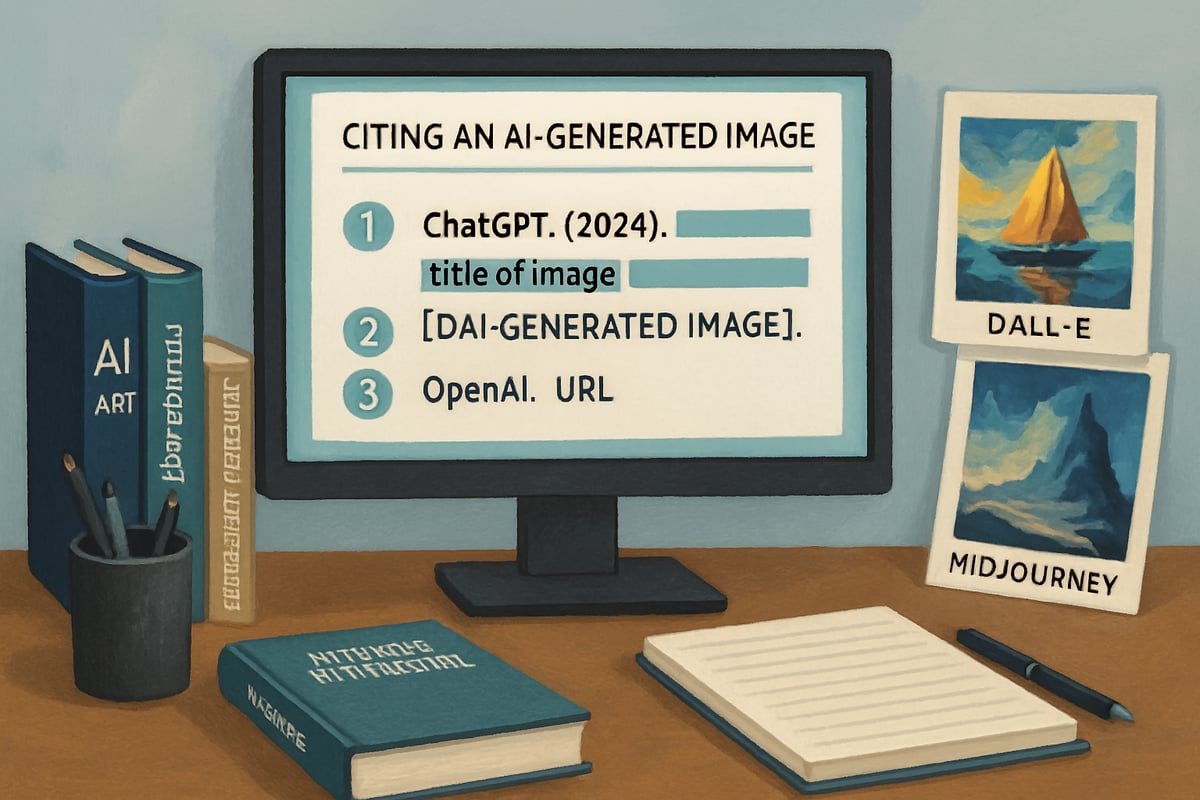
Example (APA):Image generated by author using DALL-E 3 (OpenAI, 2025), prompt: "robot painting." Retrieved April 5, 2025, from https://labs.openai.com/image/xyz789.
Step 5: Attribute Authorship and AI Tool Correctly
Proper attribution is at the heart of how to cite ai generated images. Always clarify who created the prompt, which AI tool was used, and if any edits were made.
Recommended phrasing:
“Image generated by [Your Name] using [AI Tool] with prompt: ‘...’.”
If edited: “Image generated by author using Midjourney, edited in Photoshop, prompt: ‘abstract landscape’.”
This approach gives credit to both human input and machine output, reflecting the collaborative nature of AI art.
Step 6: Address Licensing and Permissions
Before finalizing how to cite ai generated images, check the licensing terms for the AI tool and image. Some platforms use Creative Commons, while others have unique restrictions.
Always:
Confirm if commercial use is allowed.
Note any attribution requirements or non-commercial clauses.
Indicate the license type in your citation.
For detailed guidance, refer to Wiley's AI-generated content guidelines, which explain rights, permissions, and copyright implications for AI-generated visuals.
Step 7: Include Citation in All Relevant Locations
A complete understanding of how to cite ai generated images involves placing citations everywhere the image appears.
Include citations in:
Reference lists, bibliographies, or appendices for papers
Slide footnotes or captions in presentations
Captions and alt text for online content
Public-facing documents and digital media
Consistency across all formats prevents confusion and supports transparency.
Step 8: Review and Update Citations as Needed
Citation standards for how to cite ai generated images continue to evolve. Regularly review your citations to ensure they comply with the most current guidelines from your institution or field.
Update citations if:
AI tools or models change
New citation standards are released
Licensing terms are revised
Maintaining up-to-date citations guarantees transparency and reproducibility for your audience.
Practical Examples and Templates for Citing AI-Generated Images
Understanding how to cite ai generated images is essential for anyone using AI visuals in academic, professional, or creative contexts. Clear citation templates, real-world examples, and best practices help ensure compliance and transparency.
Citation Templates by Style
Properly learning how to cite ai generated images starts with understanding the expectations of different citation styles. Each major style has adapted to include AI-generated visuals, offering distinct formatting rules.
APA (7th Edition):
Example:
MLA:
Example:
Chicago:
IEEE/Harvard: Follow the pattern: Creator, Year, Title/Description, AI Tool, Version, Developer, URL, Prompt.
Style | Key Elements | In-Text Example |
|---|---|---|
APA | Author, year, AI tool, URL | (Smith, 2025) |
MLA | Creator, title, tool, prompt | (Smith) |
Chicago | Creator, description, tool, URL | (Smith 2025) |
IEEE | Author, year, tool, prompt | [1] |
By referencing these templates, you can ensure your citations are both accurate and style-compliant. Remember, how to cite ai generated images may evolve, so always check for recent updates.
Sample Citations for Common Use Cases
Applying how to cite ai generated images in real-world scenarios can clarify the process. Here are examples for different contexts:
Academic Journal Article:
In-text: (Image generated by author using Stable Diffusion, 2025)
Reference List:Thesis or Dissertation:
Caption below figure:
Image generated by author using Firefly, Adobe, prompt: "Abstract neural network"Conference Presentation:
Slide footnote:
AI-generated image created with Midjourney, prompt: "Global teamwork"Blog Post or Online Article:
Caption:
Image generated using DALL-E 3, OpenAI, prompt: "Minimalist product UI mockup"Social Media:
#AIart generated with Stable Diffusion, prompt: "Colorful infographic"
If you are integrating AI images into product design or digital projects, referencing posts like Designing clean product UIs with AI can provide practical guidance for attribution.
These examples demonstrate how to cite ai generated images across platforms, ensuring clarity and credit.
Special Cases and Edge Scenarios
Sometimes, how to cite ai generated images involves more complex situations. Consider these edge cases:
Collaborative Prompts:
If multiple people contribute to a prompt, cite all contributors as creators or note collaboration.AI-Generated Images Modified with Editing Tools:
Indicate both the AI tool and the editing software used.
Example: Image generated by author using Stable Diffusion, edited in Photoshop.Open-Source AI Models:
Credit the model, developer, and any relevant open-source license.
Example: Image created with Stable Diffusion v3 (Stability AI, 2025), MIT License.
For legal context on authorship, review the AI and copyright law analysis, which explains how human involvement and AI tools interact under current law. Addressing these scenarios ensures your approach to how to cite ai generated images is robust.
Tools and Resources for Citation
Several tools can simplify how to cite ai generated images and maintain consistency:
AI Citation Generators: Online platforms that automate citation formatting for AI images.
Academic Library Templates: Many universities provide up-to-date templates for AI-generated content.
Publisher and Institutional Guides: Check editorial policies for specific requirements.
Reference Managers: Software like Zotero and EndNote now offer fields for AI-generated works.
Use these resources to streamline your workflow and ensure all instances of how to cite ai generated images meet current standards.
Best Practices for Documentation
To master how to cite ai generated images, adopt these documentation habits:
Keep Records: Save prompts, tool versions, and creation dates for every image.
Use Persistent URLs: When possible, include direct links or DOIs.
Ensure Accessibility: Add descriptive alt text and clear captions.
Review Guidelines: Stay updated on institutional and publisher policies.
Transparency: Always clarify your role and the tool’s contribution.
By following these best practices, you will consistently demonstrate ethical, legal, and professional integrity in how to cite ai generated images.
Common Mistakes and Pitfalls in Citing AI-Generated Images
Citing AI-generated images is now a standard academic and professional expectation. However, many users still struggle with common mistakes that can harm credibility, violate policies, or even lead to legal trouble. Understanding how to cite ai generated images correctly is essential to avoid these pitfalls and maintain transparency.
Incomplete or Missing Attribution
A frequent error is failing to provide full attribution details for AI-generated visuals. Users may omit the AI tool, prompt, or developer, making it difficult for others to trace the image's origin. This often happens when teams rush or lack clear documentation standards. For example, leaving out the prompt or platform name can mislead viewers about the creative process. Referencing best practices for documenting AI contributions, as discussed in Semantic color naming in AI design, can help standardize attribution and clarify how to cite ai generated images in collaborative settings.
Misrepresentation of Authorship
Another pitfall is misrepresenting who created the image. Some users claim sole authorship, ignoring the role of the AI tool or prompt engineer. Others mistakenly attribute the image to the AI itself, which is not recognized as a legal author. This confusion can undermine trust and lead to issues with academic integrity. When learning how to cite ai generated images, always clarify your role and the AI tool's contribution. Use phrasing like “Image generated by author using [AI tool]” to ensure transparency.
Licensing Violations
Failing to observe licensing terms is a critical mistake. Many AI platforms use Creative Commons or custom licenses that dictate how images can be used and cited. Using an image for commercial purposes without proper rights, or omitting required attributions, can result in copyright disputes. Always review the licensing terms for each tool before use. Properly understanding how to cite ai generated images includes noting license types and any usage restrictions. This approach safeguards both your work and the rights of content creators.
Inconsistent Citation Practices
Mixing citation styles within the same document confuses readers and reviewers. Some users alternate between APA, MLA, or custom formats, which can diminish professionalism. Inconsistent placement of attributions, such as moving between captions and reference lists, also causes confusion. Standardize your approach to how to cite ai generated images by selecting one citation style, applying it uniformly, and placing attributions consistently. This creates a polished and credible presentation.
Outdated or Incorrect Citation Formats
Relying on outdated citation formats is another frequent issue, especially as standards for how to cite ai generated images evolve rapidly. Using pre-2026 guidelines may omit essential details like tool version or prompt. Failing to update citations when platforms change can also cause errors. Stay current with institutional and publisher updates to ensure your citations remain accurate and complete.
Real-World Examples and Tips
Improper citation of AI-generated images can have serious consequences. Academic papers have been retracted and corporate presentations flagged for missing or incorrect attributions. To avoid these outcomes, always double-check your work against the latest guidelines. Use citation templates, keep detailed records of prompts and tool versions, and consult trusted resources. Staying vigilant about how to cite ai generated images protects your reputation and upholds ethical standards.